
Gipsön, berättelsen om ett oavsiktligt arv
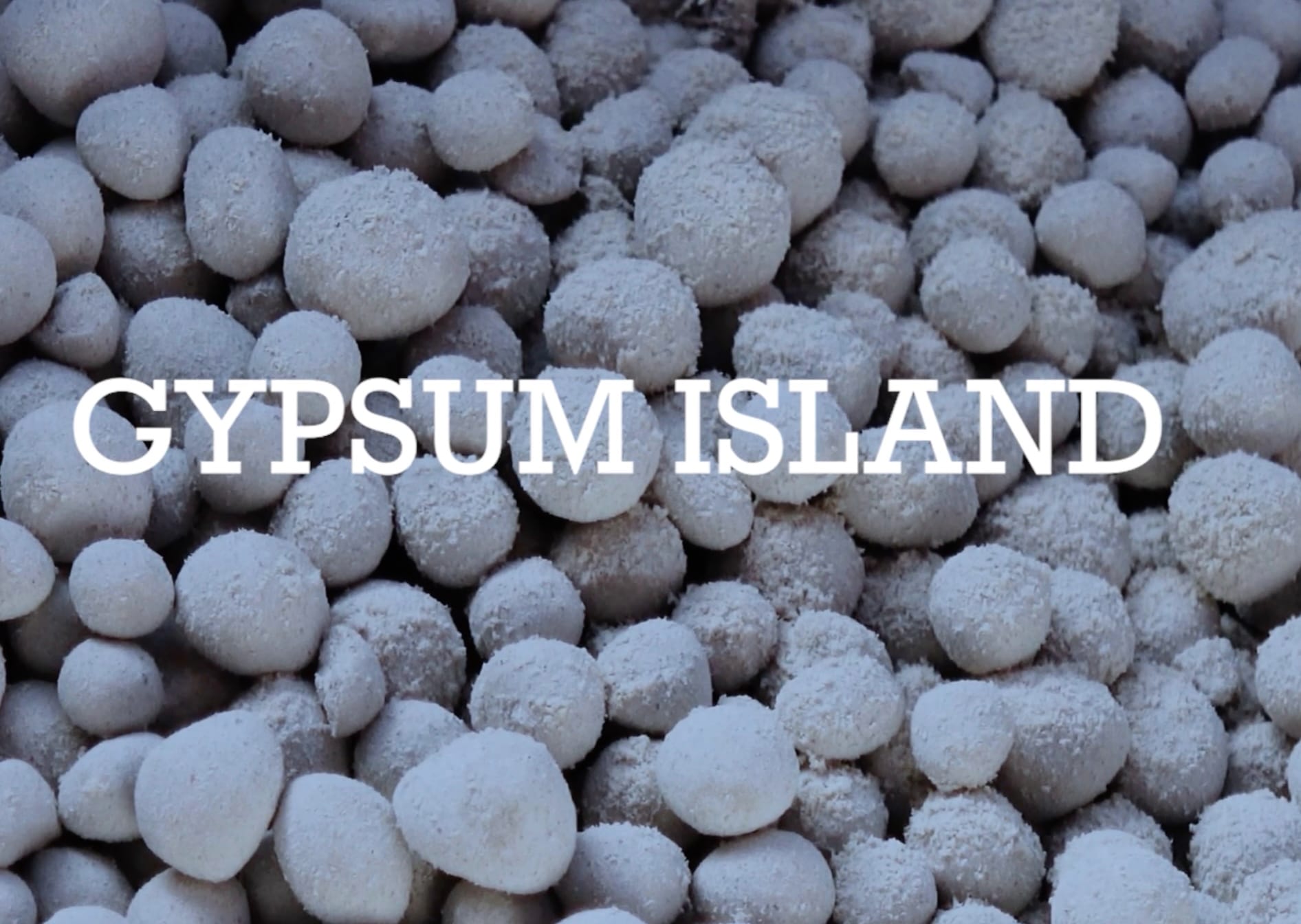
Filmen är berättelsen om ett oavsiktligt arv, Gipsön. En toxisk konstgjord ö byggd av restmaterial från konstgödseltillverkning. Den representerar jordbruksrevolutionen och dess baksida då konstgödsel både gav mer mat och skapade stora miljöproblem. Ön står som ett postindustriellt monument över gårdagens framtidsoptimism, i havet mellan Sverige och Danmark.
Med stöd av Konstnärsnämnden
Gypsum, a Story about an Unintended Heritage
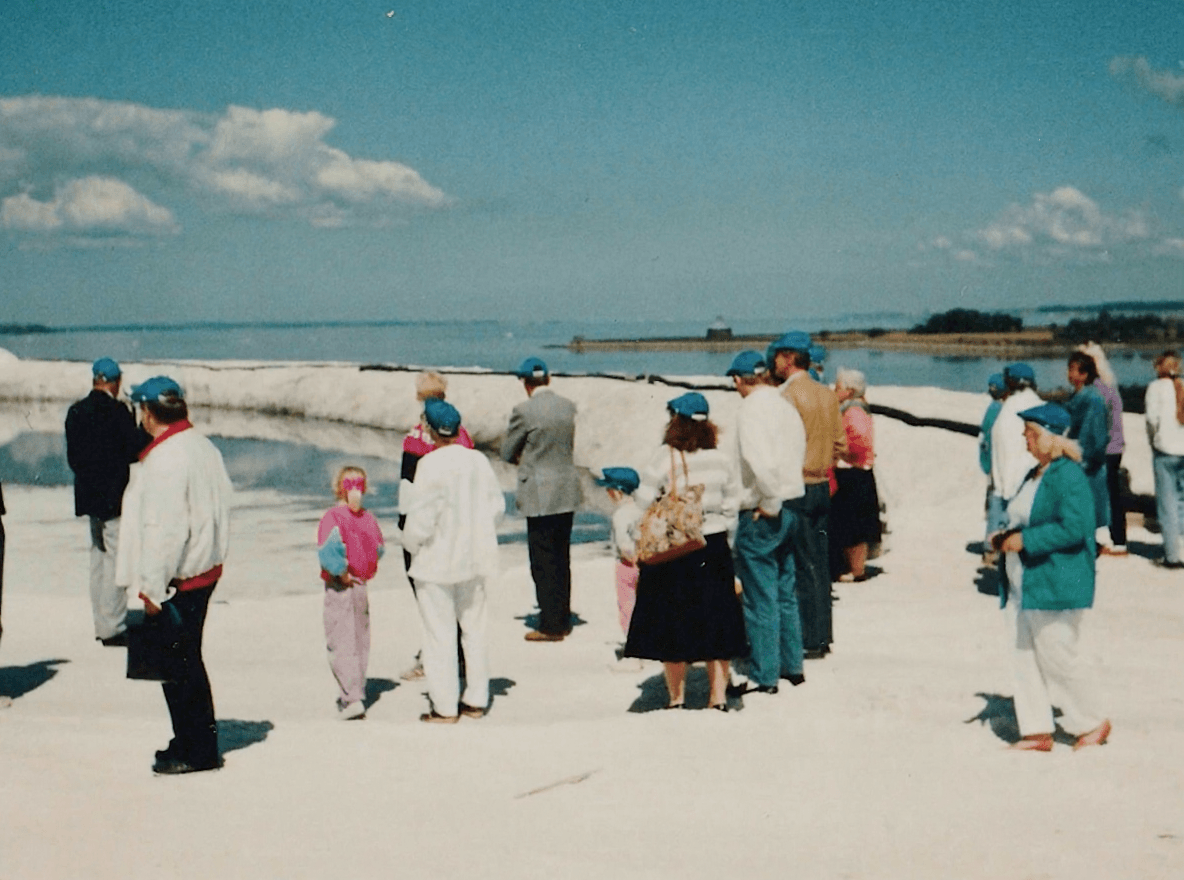
The film by Karin Wegsjö, Janna Holmstedt and Malin Lobell – (p) Art of the Biomass – tells the story about a man-made, toxic island in Sweden that most Swedes never have heard of. The island exists because synthetic fertilizers exist. It has been created from phosphogypsum, a by-product from the production of fertilizers from phosphate rock.
The construction of this landfill at sea began in 1978, and was initiated by the chemical industry Supra AB (later Hydro, today Yara). Contaminated water is still treated on the island and prevented from leaking into the sea, thirty years after Yara’s production of phosphorous has stopped. How long it will take until the island is clean enough for rainwater to be safely released into the sea is impossible to predict, all predictions have failed so far and been extended by decades.
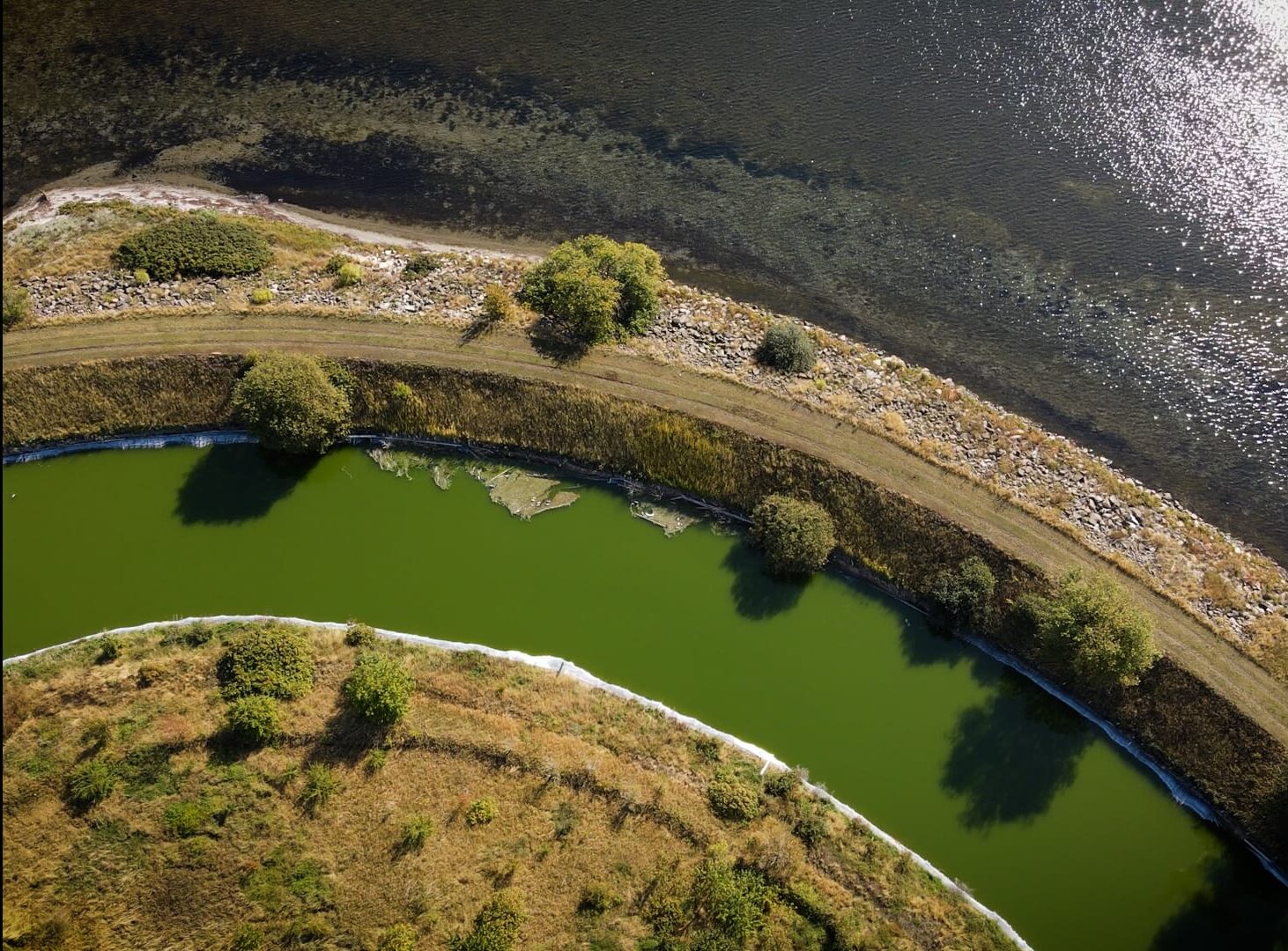
The artists approach the island as a post-industrial, readymade sculpture that stands as a monument over the future optimism of yesteryear, when the green revolution set out to feed the world.
A monument stands as a reminder, not necessarily of great deeds but of a certain kind of legacy carried over from our ancestors, a legacy with intended as well as unintended and unforeseen long-term consequences that binds places, matter, and beings together across generations.
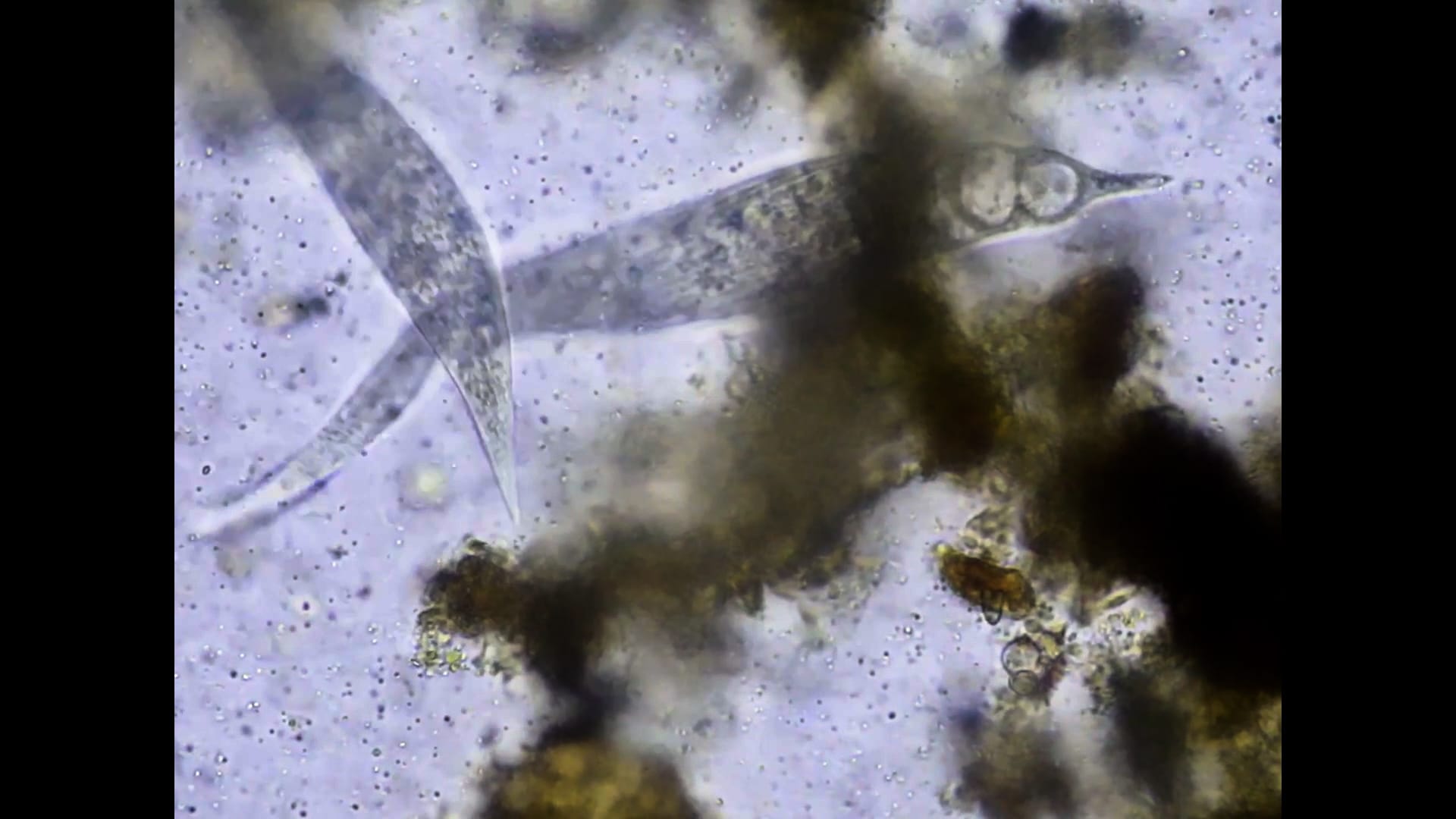
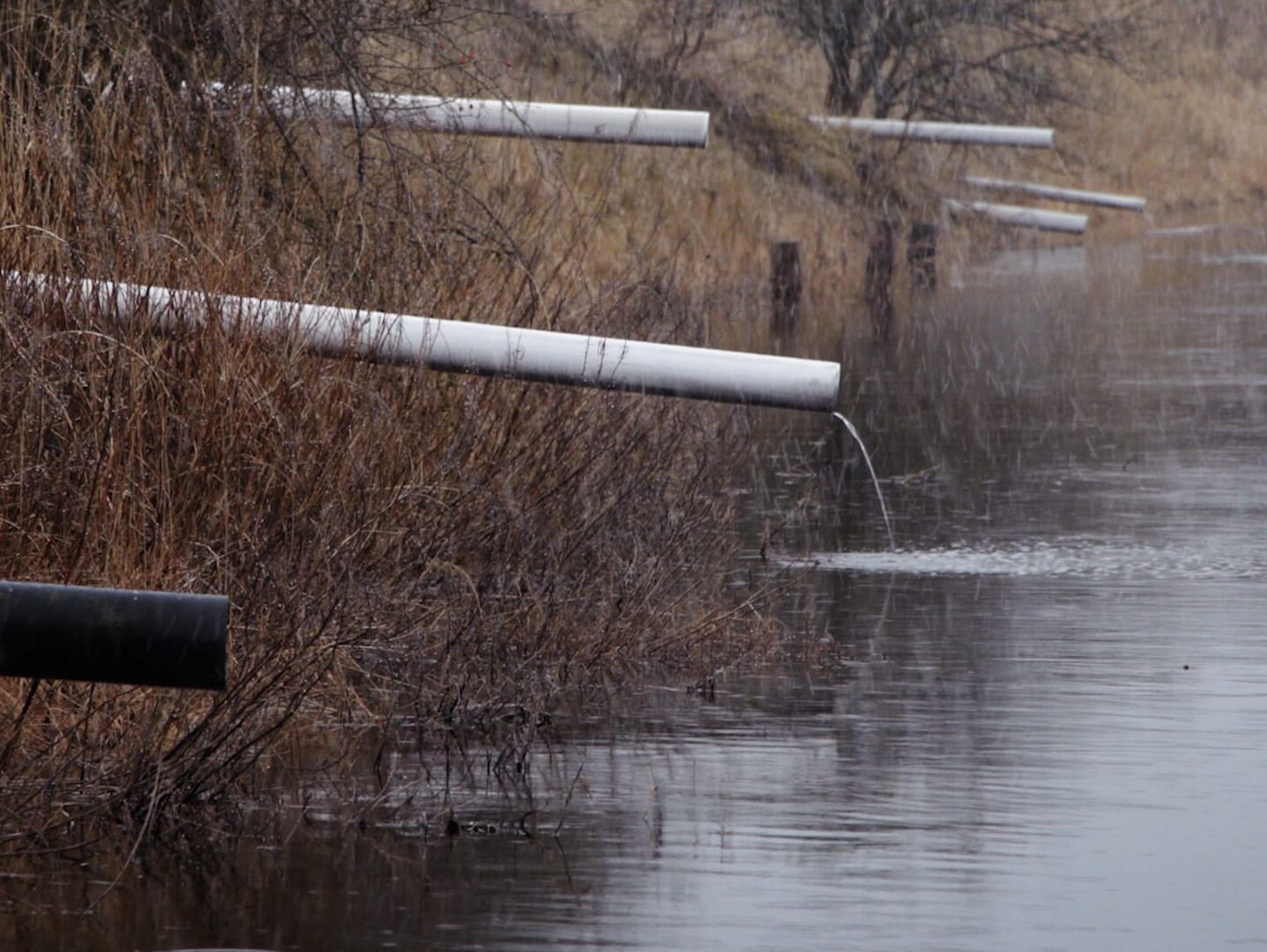
The perpetual washing of the Gypsum Island, performed by rain and melting snow, together with pumps and pipes that constitutes a human-assisted circulatory system of water that prevents toxins from leaking into the sea, followed up by annual tests to measure PH and contaminants, all form part of this legacy.
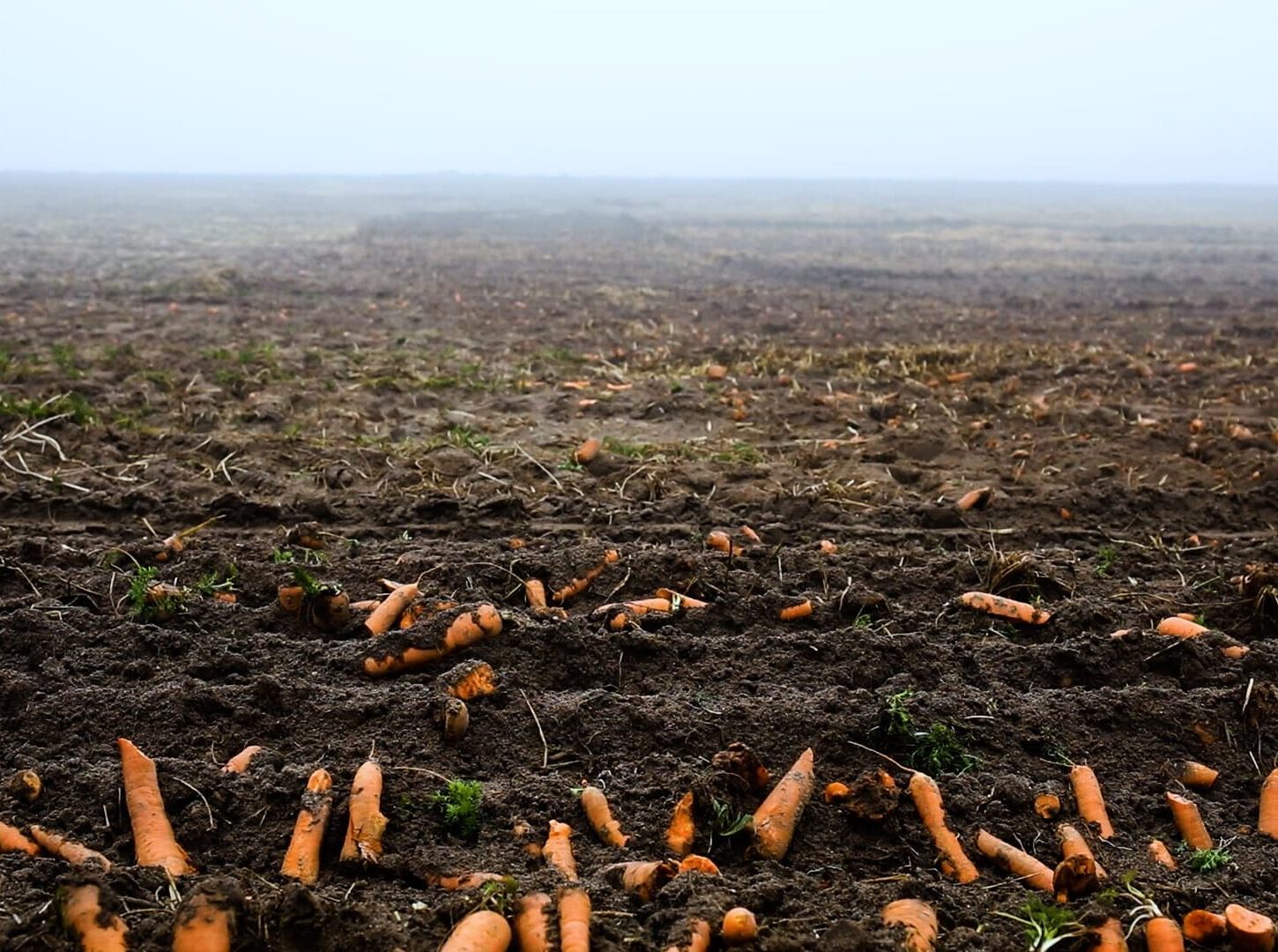
Slow violence (Nixon 2011) demands slow care, and at this specific site it is performed by humans and non-human agents alike, such as mussels and algae filtering water and absorbing excess phosphorus, while plants, microbes and fungi slowly builds soil and create new habitable ground for insects, birds and mammals.
With support from Swedish Arts Grant Council
©KW produktion ab & (p)Art of the Biomass, 2026